
 See Our Latest Article on HelloNation

What Causes Knee Pain in LaGrange, NY?
Knee pain in LaGrange, NY can result from everyday activities, seasonal changes, sports, or simple wear and tear over time. Residents living in this part of the Hudson Valley often experience knee discomfort due to hilly terrain, winter ice, or outdoor yardwork, all of which can strain joints. Common local causes include overuse from regular walking or gardening, joint stiffness during cold weather, and age-related conditions like osteoarthritis.
Understanding the underlying cause helps guide effective self-care. Minor sprains, muscle imbalances, or inflammation are frequent culprits and typically improve with conservative, non-medication strategies.
Are There Ways to Relieve Knee Pain Without Medication?
Yes, many people in the community can reduce knee pain through movement, home strategies, and daily habits rather than relying on medication. These approaches address contributing factors, reduce strain, and support the body’s natural healing.
Lifestyle adjustments, at-home exercises, and simple supports can all make a real difference for local households managing joint discomfort.
How Can Exercise and Movement Help?
Gentle physical activity keeps knees flexible and helps maintain supporting muscles. Inactivity often contributes to joint stiffness, particularly during cold LaGrange winters when residents may spend more time indoors.
- Low-impact activities like walks on flat, safe surfaces, cycling on a stationary bike, or pool exercises are beneficial.
- Straight leg raises, gentle squats using only body weight, and heel slides can strengthen thigh and hip muscles, which support knee health.
- Starting with a few minutes daily and gradually increasing can prevent overexertion.
It’s wise to avoid deep knee bends, prolonged kneeling on hard ground, or any motion that causes sharp pain. Residents often find that regular movement—rather than total rest—keeps discomfort in check.
What At-Home Comfort Strategies Work Best?
Simple at-home methods often relieve aching knees after chores, exercise, or minor strain.
- Ice packs: Applying cold (like a gel pack or frozen vegetables wrapped in cloth) for 10-15 minutes can reduce swelling and numb soreness following activity or a flare-up.
- Heat: A warm towel or heating pad may soothe stiffness, especially after periods of inactivity, though it should not be used if the area is swollen.
- Rest and elevation: Elevating the knee above heart level when relaxing helps reduce swelling, especially after time spent on one’s feet.
- Supportive shoes: Wearing cushioning, non-slip footwear around the house and outdoors can help prevent slips and unnecessary joint stress.
In LaGrange, residents sometimes overlook the importance of dry, secure, and supportive shoes during icy or wet seasons, but these factors can play a key role in preventing joint aggravation.
Is Weight Management Relevant for Knee Pain?
Carrying extra weight can put added pressure on knee joints, which increases pain and risk of injury over time. Gradual weight reduction through balanced nutrition and regular activity can lessen strain, especially for those with persistent discomfort.
Even small changes in body weight make a difference. Area residents often find success with more home-cooked meals, focusing on simple foods, and incorporating more gentle activity over the course of each day.
How Can Daily Habits Be Adjusted to Protect Knees?
Minor changes in daily routines can help everyone, from active seniors to busy parents, limit knee stress.
- Using both hands to support yourself when rising from low chairs or steps distributes pressure.
- Taking breaks from prolonged sitting or standing reduces stiffness.
- Incorporating rugs or mats on frequently used hard floors makes surfaces easier on knees, particularly during household chores.
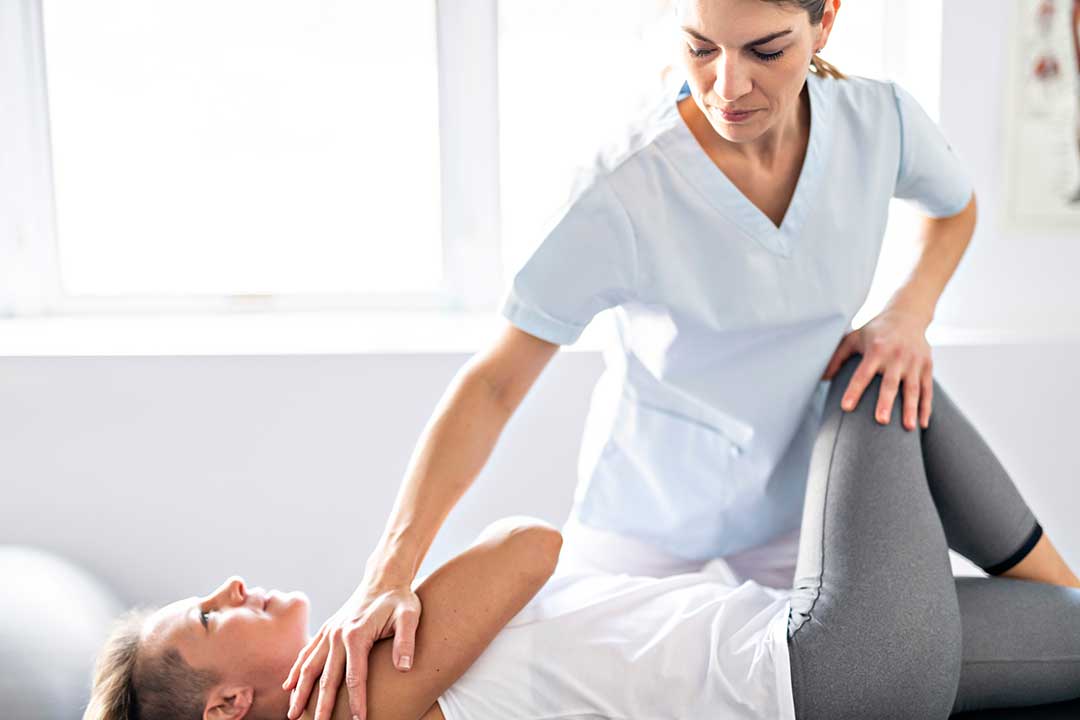
During gardening or home improvement projects, using padded kneeling pads and changing position frequently can help protect joint health. Residents often overlook these simple tweaks, but they can prevent unnecessary joint irritation.
What Should Residents Know About Self-Massage and Stretching?
Gentle, focused self-massage around the thigh, calf, and sides of the knee with fingertips or a soft cloth often helps ease tension and discomfort. Local climate shifts, particularly close to winter, sometimes lead to tighter muscles and joint stiffness.
Daily stretching routines—including hamstring and calf stretches performed while holding onto a stable surface—can enhance flexibility and decrease the risk of re-injury. It’s important to move slowly and stop if any movement causes sharp or worsening pain.
When Is It Time to Consider Additional Guidance?
Safe at-home care can address most mild knee pain. However, area residents should pay attention to signals that might require further assessment, such as:
- Sudden severe swelling
- Inability to bear weight on the joint
- Deformity or significant loss of movement
- Signs of infection (redness, warmth, fever)
In these situations, consulting a licensed healthcare practitioner is the right step to ensure proper evaluation.
What Are Common Misconceptions About Knee Pain Relief?
A few myths can make managing joint pain harder for local households. It is not always best to avoid all knee movement—gentle activity often helps more than total rest. Overusing braces or wraps might actually weaken supporting muscles if relied on for daily activity without also doing strengthening exercises.
Ignoring mild pain early on is another frequent mistake. Addressing discomfort early, before it limits daily tasks, generally leads to better long-term outcomes for community members.
What Makes Knee Pain Management Unique in This Community?
Factors like seasonal weather, local terrain, and common hobbies all affect how knee pain develops and heals. Weekend hikes, winter shoveling, summer gardening, and routine commuting mean local residents benefit from strategies tailored to an active, four-season climate.
Sharing tips and experiences among neighbors often helps reveal practical adjustments and overlooked hazards unique to the area. Being mindful of changing seasons and common household routines enables individuals to adapt their care and stay active throughout the year.
