
 See Our Latest Article on HelloNation
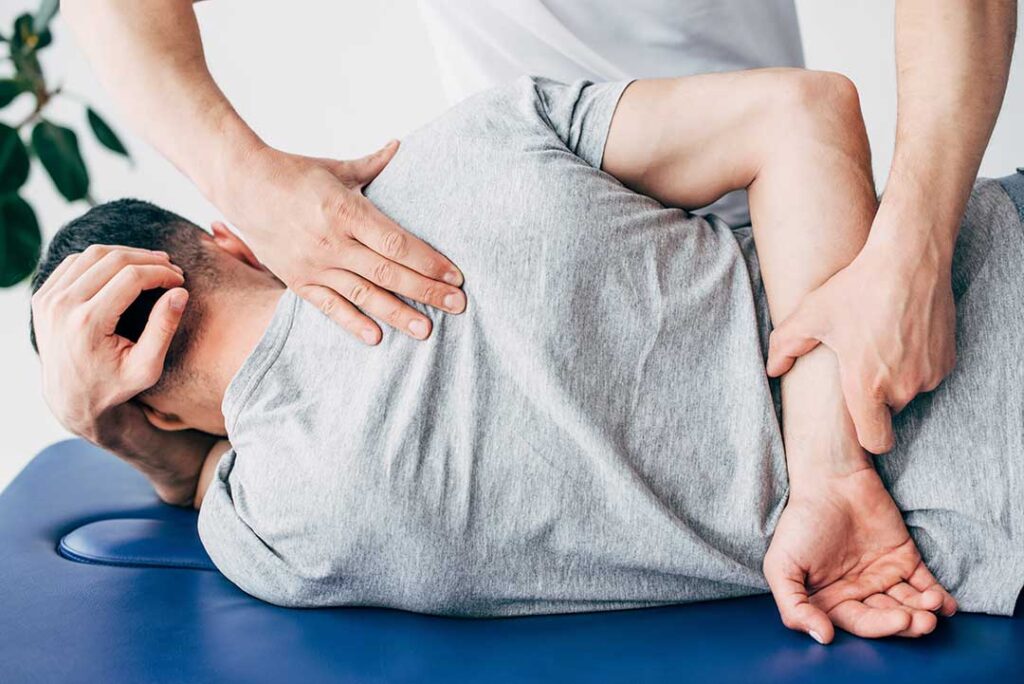
Jaw pain can sometimes be connected to the muscles, joints, and movement patterns of the neck and upper spine. That does not mean a spinal problem is always the cause, but the jaw and cervical spine work as part of a closely linked system involving muscles, nerves, posture, and coordination.
For residents in LaGrange, NY, this connection may become more noticeable during periods of prolonged computer use, winter indoor routines, stressful workdays, or activities that encourage clenching and forward-head posture.
What does jaw pain have to do with the spine?
Jaw pain and spinal health can overlap because the jaw, head, and upper neck share muscles and neurological connections. The temporomandibular joints, or TMJs, connect the lower jaw to the skull, while nearby muscles help control chewing, speaking, swallowing, and jaw stability.
Temporomandibular disorders, commonly called TMDs, include more than 30 conditions involving the jaw joints, chewing muscles, and surrounding tissues. Symptoms may include jaw pain, stiffness, clicking, headaches, facial discomfort, and pain that spreads into the neck. ([nidcr.nih.gov](https://www.nidcr.nih.gov/health-info/tmd?utm_source=openai))
The upper cervical spine also helps support the head and coordinate movement. If the neck muscles become overworked or restricted, the muscles around the jaw may compensate. The reverse can also occur: painful or tense jaw muscles may increase activity in the neck and shoulder muscles.
This is best understood as a possible relationship, not a simple cause-and-effect rule.
Can poor posture cause TMJ pain?
Posture may contribute to jaw symptoms in some people, but research does not support the idea that a single posture automatically causes TMD. Studies have found associations between TMD and neck muscle endurance, neck mobility, and self-reported neck disability. However, evidence about a specific head or cervical posture being the direct cause remains mixed. ([pubmed.ncbi.nlm.nih.gov](https://pubmed.ncbi.nlm.nih.gov/24118029/?utm_source=openai))
A common pattern involves:
- The head moving forward while looking down at a screen
- The upper back rounding during prolonged sitting
- The chin being held rigidly or lifted
- The shoulders staying elevated during stress
- The teeth remaining lightly pressed together throughout the day
These habits can increase muscle workload. They may be more noticeable during long drives, desk work, phone use, sewing, reading, or indoor projects during colder months.
Good posture is not about holding the body perfectly still. Healthy movement usually involves changing position regularly, allowing the jaw to rest, and avoiding sustained tension.
What symptoms suggest a jaw-and-neck connection?
A possible jaw-and-neck relationship is more likely when symptoms appear together or influence one another. Examples include:
- Jaw soreness accompanied by neck tightness
- Headaches near the temples or behind the eyes
- Pain that increases after computer or phone use
- Limited ability to open the mouth comfortably
- Clicking, popping, or grinding during jaw movement
- Tenderness in the cheeks, temples, upper shoulders, or base of the skull
- Ear fullness or aching without a clear ear infection
- Symptoms that worsen during stress or after nighttime clenching
These signs are not specific to spinal problems. Dental conditions, arthritis, injury, sinus problems, nerve irritation, and other medical issues can produce similar symptoms. NIDCR notes that TMD symptoms can overlap with other conditions, which can make diagnosis difficult. ([nidcr.nih.gov](https://www.nidcr.nih.gov/health-info/tmd?utm_source=openai))
Why do stress and clenching matter?
Stress can affect jaw and spinal comfort through muscle activity rather than through posture alone. Some people clench their teeth while concentrating, lifting, driving, or sleeping. Others press the tongue against the roof of the mouth or brace the jaw without realizing it.
Repeated clenching can fatigue the chewing muscles and increase pressure around the jaw joints. That tension may spread to the temples, neck, and shoulders. Sleep-related grinding may also leave the jaw tired or painful in the morning.
A useful daytime check is simple: with the lips gently together, the teeth should generally remain slightly apart unless eating or swallowing. The jaw should feel supported rather than forcefully held.
Reducing clenching does not require trying to keep the jaw rigidly positioned. Instead, brief relaxation checks can help identify when unnecessary muscle activity is occurring.
What can residents safely try at home?
For mild, short-term symptoms, conservative measures may help reduce irritation:
- Use a neutral sitting position with the screen near eye level.
- Take brief movement breaks instead of remaining in one position for hours.
- Avoid chewing gum and very chewy foods while the jaw is irritated.
- Choose softer foods temporarily if opening or chewing is painful.
- Apply gentle heat to tense jaw or neck muscles if it feels soothing.
- Avoid forceful jaw stretching or attempts to “realign” the jaw.
- Notice whether clenching occurs during computer work, driving, or concentration.
- Keep a short symptom record, including pain location, jaw movement, sleep quality, and activities that worsen symptoms.

These steps are intended for comfort and awareness, not to diagnose the source of pain. A symptom that repeatedly returns or limits eating, speaking, sleeping, or normal neck movement deserves a proper evaluation.
Does spinal manipulation treat jaw pain?
There is no single treatment that works for every cause of jaw pain. Because TMD can involve the joint, chewing muscles, neck, teeth, nervous system, or multiple factors, care should be based on the findings rather than on the assumption that the spine is the primary problem.
Research supports an association between TMD and certain cervical musculoskeletal findings, such as reduced neck mobility or lower neck-muscle endurance. It does not establish that correcting spinal posture or alignment alone will resolve jaw symptoms. ([pubmed.ncbi.nlm.nih.gov](https://pubmed.ncbi.nlm.nih.gov/33218570/?utm_source=openai))
A coordinated evaluation may involve dental, medical, physical therapy, or other appropriate healthcare expertise depending on the symptoms. Any hands-on treatment around the neck or jaw should be gentle, clearly explained, and appropriate for the individual’s health history.
When should jaw pain be evaluated promptly?
Sudden, severe, or unexplained jaw pain should not automatically be assumed to be a muscle or posture problem. Prompt medical attention is appropriate if jaw pain occurs with chest discomfort, shortness of breath, sweating, nausea, faintness, or pain spreading into the arm or back.
Evaluation is also warranted for:
- A jaw that locks open or closed
- Inability to open or close the mouth normally
- Facial swelling, fever, or signs of infection
- New numbness, weakness, or significant trouble speaking
- Persistent pain after a fall, blow, or other injury
- Severe pain that is worsening or interfering with eating
Mayo Clinic advises medical attention for constant or sudden jaw tenderness and for difficulty opening or closing the jaw completely. ([mayoclinic.org](https://www.mayoclinic.org/diseases-conditions/tmj/symptoms-causes/syc-20350941?utm_source=openai))
The most accurate takeaway is that jaw pain and spinal health can influence one another, but neither should be used as a shortcut diagnosis. Looking at jaw function, neck movement, muscle tension, daily habits, sleep, dental factors, and warning signs together provides a more reliable understanding of what may be happening.
