
 See Our Latest Article on HelloNation
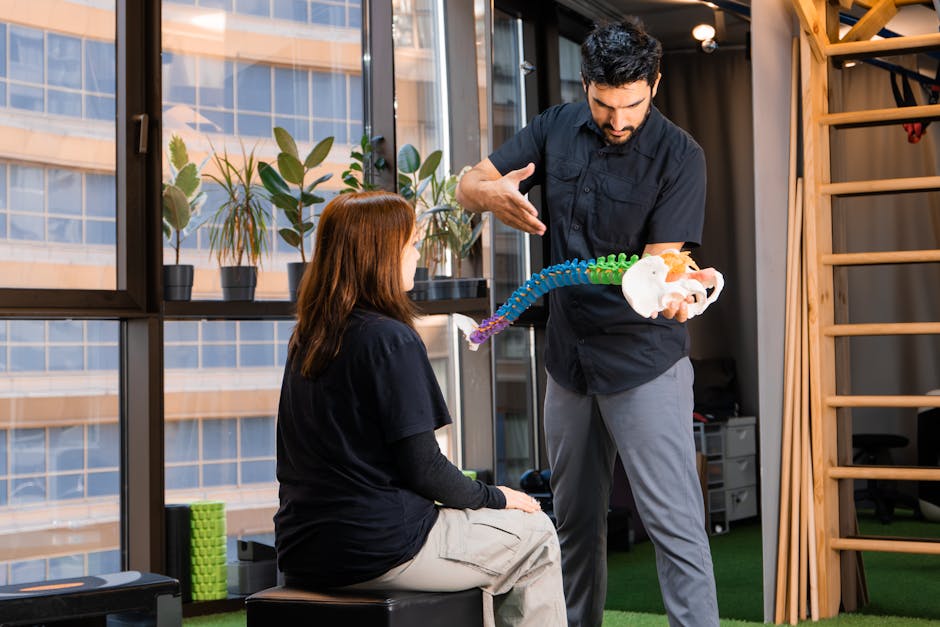
Life in LaGrange, NY is active and community-focused, with residents often participating in outdoor activities, volunteering, gardening, and working on home improvement projects. From the annual LaGrange Community Day to the everyday chores of maintaining properties and helping neighbors, there are countless situations where safe lifting is essential. Unfortunately, improper lifting techniques are one of the leading causes of back pain and spinal injuries. As a chiropractor in LaGrange, I often see patients who suffer avoidable injuries simply because they didn’t know how to lift safely. This blog will explore safe lifting techniques tailored to the LaGrange lifestyle, helping you protect your spine for years to come.
Understanding the Risks of Improper Lifting
Before diving into techniques, it’s important to understand why safe lifting matters. Lifting heavy or awkward objects incorrectly puts excessive pressure on the spine’s discs, ligaments, and muscles. Over time, or even in a single incident, this strain can lead to:
- Muscle strains and sprains
- Herniated or slipped discs
- Sciatica
- Chronic lower back pain
Everyday tasks in LaGrange like shoveling snow, picking up mulch at the local garden center, or loading firewood can become hazardous without the right approach.
Common Scenarios Where Safe Lifting Matters in LaGrange
- Home Improvement Projects: Remodeling efforts and DIY projects often require moving building materials, furniture, and boxes.
- Yard Work and Gardening: Hauling soil, mulch, and landscaping items.
- Community Volunteering: Setting up events, carrying tables and equipment.
- Seasonal Chores: Snow shoveling in winter, leaf collection in fall.
With these activities being such a normal part of life in LaGrange, proper technique is crucial.
Step-by-Step Safe Lifting Techniques
Follow these guidelines every time you need to lift something substantial:
1. Assess the Load and Your Surroundings
- Check the weight of the object. If it feels too heavy, get help or use a dolly or cart.
- Clear your path of obstacles to avoid tripping.
2. Stand Close and Sturdy
- Position yourself close to the object with your feet shoulder-width apart for a stable base.
- One foot can be slightly ahead for better balance.
3. Bend at the Hips and Knees, Not Your Waist
- Squat down by bending your hips and knees, keeping your back straight and chest up.
- Never bend forward at the waist with straight legs.
4. Grip the Object Securely
- Use your entire hand (not just your fingers) to get a firm hold.
5. Lift Using Your Legs, Not Your Back
- Straighten your hips and knees simultaneously, keeping the load close to your body.
- Use the powerful muscles in your legs—not your back—to do the hard work.
6. Keep the Load Close to Your Waist
- Holding objects away from your body increases spine strain. Hug the item close as you move.
7. Don’t Twist While Lifting
- Turn your whole body with your feet, not your spine, if you need to change direction.
8. Set Down with Care
- When placing the object down, reverse the lifting technique: bend your knees and hips, not your back.
Tips for Specific LaGrange Lifting Scenarios
Lifting Bags of Mulch, Soil, or Salt
Gardeners and property owners in LaGrange regularly handle heavy bags during spring planting or winter salting.
- Divide the load if possible—use smaller bags if available.
- For large, awkward bags, lift one end onto a ledge or step before moving the whole bag.
- Consider using a wheelbarrow for even easier transport.
Moving Furniture for Local Events
Many residents volunteer or participate in local events requiring moving chairs and tables.
- Enlist help for large or heavy pieces.
- Use lifting straps or moving sliders when available.
Shoveling Snow in Winter
Snow removal can be especially tough on the back:
- Use a lightweight, ergonomic shovel.
- Push snow rather than lifting it whenever possible.
- If lifting is necessary, keep loads small and follow safe lifting technique.
Prepare Your Body for Lifting
Strengthening your core and staying flexible can further protect your spine. Incorporate these habits:
- Engage in regular exercise to strengthen your back and abdominal muscles.
- Stretch before and after heavy chores, especially in cooler weather.
- Stay hydrated and maintain good nutrition for optimal muscle function.
When to Ask for Help
Knowing your limits is essential. Never hesitate to:
- Ask a family member or neighbor to assist.
- Use equipment like carts, dollies, or even tractor attachments for large or heavy items.
- Take breaks to avoid fatigue, especially with repetitive lifting.
What To Do If You Experience Back Pain
Despite our best efforts, injuries sometimes happen. If you feel sharp, persistent, or radiating pain after lifting:
- Stop the activity immediately.
- Apply ice to reduce inflammation in the first 24–48 hours.
- Seek evaluation from a local healthcare provider or chiropractor in LaGrange if pain persists beyond a few days or is severe.
Safe Lifting is a Lifelong Skill
Whether you’re carrying groceries, helping set up for a town celebration, or maintaining your property in the beautiful Hudson Valley surroundings, adopting safe lifting techniques is an investment in your long-term health. Teaching children these habits early can also help create a culture of safety within our LaGrange community.
Spinal health is integral to enjoying all the outdoor recreation, DIY activities, and neighborhood events that make LaGrange special. With awareness and proper technique, you can avoid injury and keep participating in the activities you love.
