
 See Our Latest Article on HelloNation
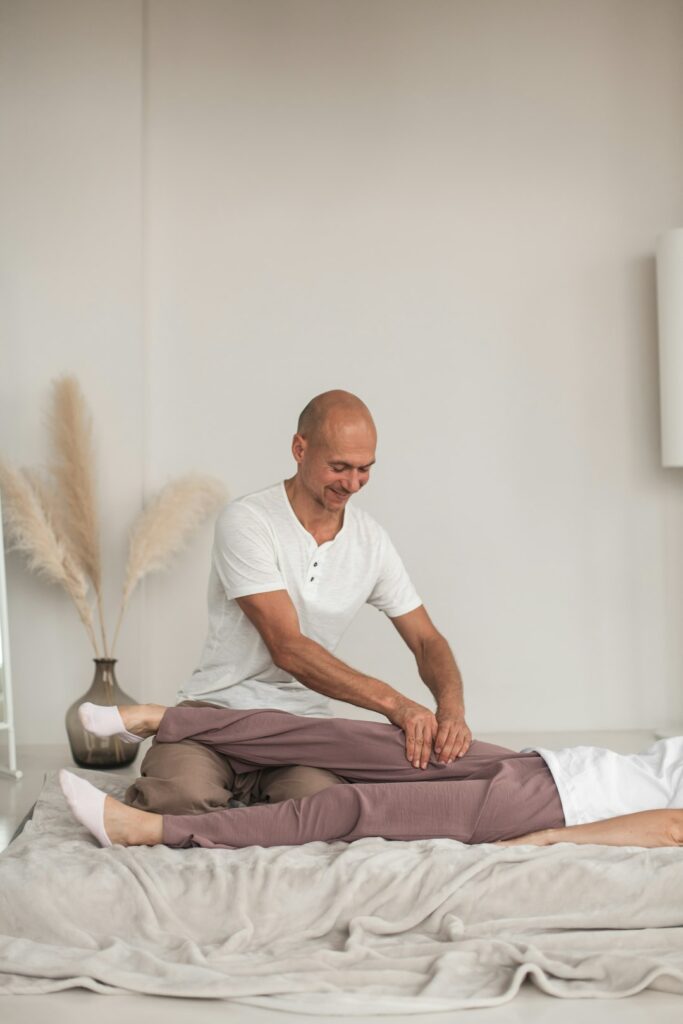
For many older adults, staying active means protecting the ability to walk safely, get up from a chair, manage stairs, shop, garden, and remain independent at home. Chiropractic care may support these goals when it is used thoughtfully as part of a broader health plan.
The potential benefits depend on the person’s diagnosis, bone health, medications, balance, medical history, and treatment preferences. Chiropractic care is not appropriate for every condition, and spinal manipulation should not be viewed as a cure for arthritis, osteoporosis, nerve disease, or serious injury.
What benefits might older adults experience?
Chiropractic care may help some seniors manage certain types of back, neck, or joint-related discomfort and improve movement during daily activities. Care may include a health history, physical assessment, gentle hands-on techniques, mobility exercises, posture guidance, and recommendations for safe activity.
Possible benefits include:
- Reduced discomfort related to some forms of mechanical back or neck pain
- Improved range of motion in stiff joints
- Greater comfort with walking, standing, or changing positions
- Guidance on exercises that support strength and mobility
- Better awareness of posture, lifting habits, and movement patterns
- Support for maintaining function during normal aging
These benefits are most realistic when treatment is individualized. A person with mild stiffness after sitting may need a different approach than someone recovering from a fall, living with spinal stenosis, or managing a hip replacement.
Can chiropractic care help with balance or fall prevention?
Chiropractic treatment alone should not be considered a fall-prevention program. Balance depends on many factors, including leg strength, vision, medication effects, foot health, blood pressure, sensation in the feet, hearing, and the safety of the home environment.
Some older adults may move more confidently when pain and joint stiffness are addressed. That can make it easier to participate in walking, strength training, or balance exercises. However, fall prevention usually requires a wider plan that may include:
- Strengthening the legs and hips
- Practicing balance and safe transitions
- Reviewing medications that cause dizziness or drowsiness
- Checking vision and footwear
- Improving lighting and removing loose rugs or clutter
- Evaluating the need for a cane or other assistive device
- Addressing osteoporosis and fracture risk
This is especially relevant in LaGrange, NY, where winter conditions can create icy walkways, packed snow, wet entryways, and other seasonal hazards. A person who already feels unsteady should be cautious about outdoor walking during freezing conditions and should not assume that improved joint mobility eliminates fall risk.
Is chiropractic care safe for seniors?
It can be safe for some older adults when the treatment is appropriately modified, but age-related changes require extra care. Older adults are more likely to have osteoporosis, arthritis, spinal degeneration, prior fractures, blood-thinning medication use, joint replacements, or other conditions that influence treatment choices.
A careful evaluation should consider:
- History of osteoporosis or low bone density
- Previous fractures or spinal surgery
- Recent falls or unexplained weight loss
- Cancer history or infection risk
- Numbness, weakness, or changes in bladder or bowel control
- Blood-thinning medications
- Severe or rapidly worsening pain
- Dizziness, fainting, or significant balance changes
Gentler techniques may be more appropriate than forceful movements for certain patients. The neck deserves particular caution because sudden or high-force movements may not be suitable for everyone. A senior should be able to ask what technique is being considered, why it is recommended, what alternatives exist, and what warning signs would require medical attention.
Who should avoid manipulation until they receive medical evaluation?
Certain symptoms may point to a condition that requires urgent medical assessment rather than routine musculoskeletal care. Immediate evaluation is appropriate for severe pain after a fall, suspected fracture, sudden weakness, new loss of coordination, chest pain, shortness of breath, fever with severe back pain, or new loss of bladder or bowel control.
People with known severe osteoporosis, recent fractures, unstable spinal conditions, or certain neurological or vascular disorders may need to avoid spinal manipulation. That does not necessarily mean all supportive movement or non-thrust care is inappropriate, but the underlying condition should be assessed first.
Older adults should also tell every healthcare provider about current treatments, surgeries, implanted devices, and medications. Coordinated care reduces the chance of conflicting recommendations.
What should a first visit include?

A responsible first visit should begin with questions, not automatic treatment. The history should cover the location and duration of pain, prior injuries, falls, surgeries, medical conditions, medications, physical activity, and changes in daily function.
The examination may include posture, walking, joint movement, strength, sensation, and reflexes. Imaging is not needed for every complaint, but it may be considered when the history or examination suggests a fracture, significant degeneration, neurological problem, or other condition requiring additional information.
A useful care plan should explain:
- The likely source of the problem
- What treatment is being proposed
- Whether hands-on treatment is necessary
- What home movements or activities are safe
- How progress will be measured
- When treatment should be stopped or reconsidered
Improvement should be judged by practical function, such as walking farther, standing more comfortably, sleeping better, or completing household tasks—not simply by how the spine looks or feels immediately after treatment.
Does chiropractic care replace medical or physical therapy care?
No. Chiropractic care is one possible component of musculoskeletal care, but it does not replace primary medical care, physical therapy, medication management, orthopedic evaluation, or emergency treatment.
Physical therapy may be particularly valuable for seniors who need progressive strengthening, gait training, balance work, or rehabilitation after surgery or a fall. Medical evaluation is necessary when pain may be related to infection, fracture, cancer, inflammatory disease, nerve compression, or another non-mechanical cause.
The strongest approach is often coordinated care. For example, an older adult with recurring low-back pain may benefit from medical evaluation, an exercise plan, home-safety changes, and carefully selected manual treatment if appropriate.
What can seniors do between visits?
Daily habits often have more lasting influence than occasional treatment. Gentle movement throughout the day can help reduce stiffness. Walking, chair rises, supported leg exercises, and balance activities may be useful when they are appropriate for the individual and performed safely.
Helpful habits include:
- Changing position regularly instead of sitting for long periods
- Using sturdy footwear indoors and outdoors
- Keeping frequently used items within easy reach
- Holding a stable surface when practicing movements
- Warming up before gardening, shoveling, or other seasonal tasks
- Avoiding sudden increases in lifting, walking, or exercise
- Stopping an activity that causes sharp pain, faintness, new weakness, or unusual symptoms
For residents managing household tasks through changing weather, pacing is especially useful. Snow removal, carrying wet laundry, climbing steps, and working on uneven ground can place extra demands on the back and hips.
The most appropriate goal of chiropractic care for an older adult is not simply temporary relief. It is safer movement, clearer understanding of the problem, and support for remaining active while respecting medical limitations.
